
Why Smart Pest Control Saves Money Over Time
Why Smart Pest Control Saves Money Over Time

The call comes in at 9 PM on a Friday. Flies in the dining area. A customer noticed. Now you're looking at an emergency pest control visit that'll cost you $924 because it can't wait until Monday.
This is how most small business owners learn about pest control costs.
The hard way.
We see it happen all the time. A minor issue that could have been caught early suddenly affects revenue. A customer spots pests in your waiting area. A health inspector finds activity near your storage space. Your staff stops working to deal with recurring problems.
That moment when you realize the issue isn't a one time inconvenience—it's interrupting operations, delaying service, and risking your reputation in ways that cost far more than prevention ever would.
The shift happens when you experience firsthand how quickly a small infestation escalates into lost business, additional cleanup, or compliance concerns. Prevention stops being an optional expense and becomes part of your operational planning.
The Real Cost of Waiting Until You See Pests

Emergency treatments come with higher service fees, after hours scheduling, and follow up visits that wouldn't be necessary with a preventive plan in place.
A single urgent treatment can cost several hundred dollars depending on severity. If that situation repeats even a few times over a year, those expenses easily reach into the low thousands without fully resolving the underlying problem.
But that's just what shows up on the invoice.
Add in the indirect costs—staff time spent managing the issue, potential lost business if customers notice pest activity, temporary shutdowns for cleaning or compliance checks—and the total impact climbs much higher.
Americans spend around $6.5 billion annually on pest control services, with individuals spending about $575 per year on average. For businesses stuck in the reactive cycle, those numbers skew much higher.
A business that incorporates Integrated Pest Management into routine operations pays a more predictable monthly or quarterly fee focused on monitoring, sanitation guidance, and early intervention before populations grow.
Over a year, that proactive approach results in fewer large scale treatments, reduced disruption to daily operations, and lower overall spend because small problems get addressed before they require intensive service.
The Hidden Cost That Catches Everyone Off Guard

The operational disruption spreads beyond the pest issue itself.
What starts as a few flies in a workspace quickly leads to deeper cleaning requirements, product loss if contamination is suspected, or a failed inspection that triggers follow up visits from regulators.
In service based or food related environments, that means temporarily closing sections of the business, rescheduling appointments, or dealing with negative customer feedback that impacts repeat visits.
Your staff spends time managing the situation instead of focusing on their primary responsibilities. Productivity drops across the team.
These indirect effects don't appear as a line item on an invoice, but they result in lost revenue, added labor costs, and reputational damage that takes time to repair.
For restaurants and food service businesses, the stakes get even higher. A single pest sighting can lead to failed inspections, hefty fines, and in severe cases, mandatory shutdowns by health authorities.
You only recognize how much more expensive reactive pest control can be after experiencing one of these situations. By then, you've already paid the price.
What Prevention Actually Looks Like in Practice

An Integrated Pest Management approach starts with a detailed assessment in the first month that focuses on identifying where pests are likely to breed or enter—before visible activity appears.
This includes inspecting waste handling areas, checking drainage or moisture sources, reviewing sanitation routines, and placing monitoring tools that help detect early signs of pest presence.
Month one: Detailed risk assessment and monitoring placement
Month three: Service visits center around evaluating monitoring points, adjusting treatment methods based on seasonal conditions, and reinforcing preventive steps like removing organic buildup or improving ventilation in problem areas.
The goal is to interrupt the life cycle before populations can grow.
Month six: Focus shifts toward maintaining consistent conditions that discourage breeding. This involves updating service frequency during warmer periods or addressing new risk factors that develop as weather patterns change.
Research shows the impact. Cockroach populations in IPM treatment dropped from an average of 24.7 per unit before treatment to 3.9 in month four, and remained constant below 5 per unit for the remaining 8 months.
Compared to a traditional reactive approach where treatments happen after pests are seen, this process emphasizes regular observation and small targeted interventions that keep issues from escalating into infestations that disrupt operations.
The Three Data Points That Tell You If It's Working
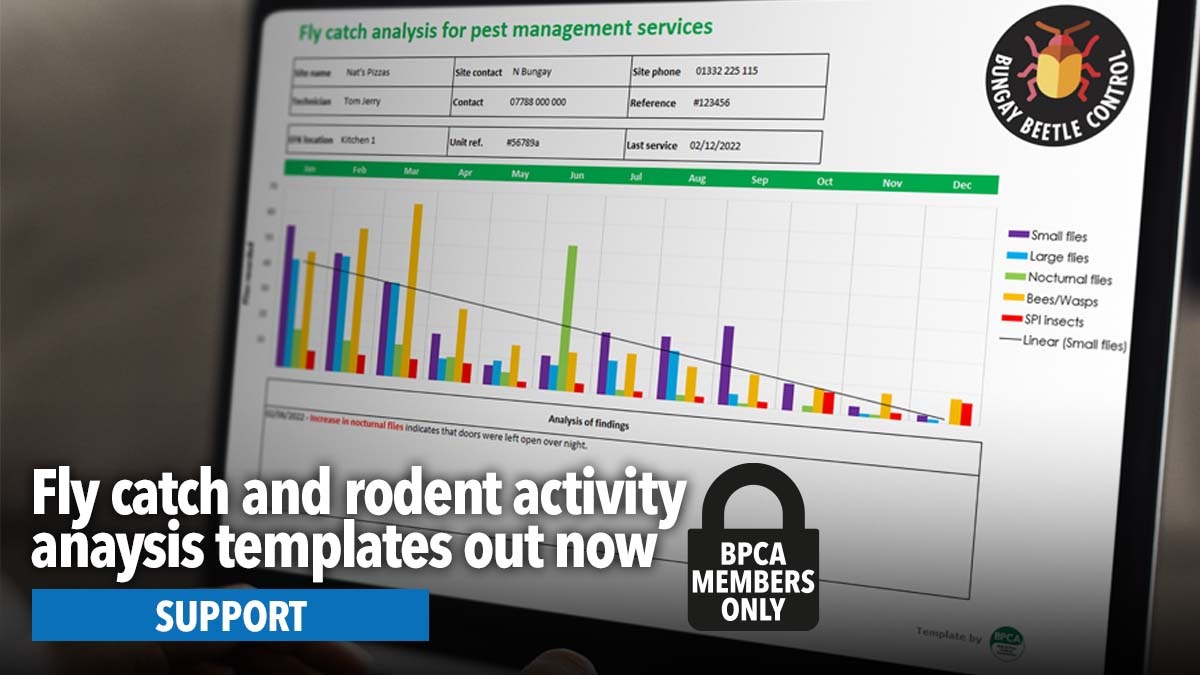
Most small business owners have no idea what data they should track.
Here are the three practical data points that give you an early indication of whether your pest management efforts are working or starting to slip:
1. Monitoring trap activity
This shows how many pests are being detected in specific areas over time and helps identify whether populations are increasing before they become visible to staff or customers.
2. Sanitation and moisture levels in key zones
Watch waste storage areas, floor drains, and loading docks. Persistent dampness or organic buildup signals that breeding conditions are developing even if no pests have been seen yet.
3. Service trend data from routine inspections
This includes notes on entry points, structural gaps, or recurring risk areas that may allow pests to re enter the space.
Watching how these factors change month to month provides an early warning that adjustments are needed and helps prevent minor issues from escalating into disruptions that affect daily operations.
The Mental Barrier Keeping You Stuck in the Expensive Cycle

Prevention feels like paying for something you can't see.
Reactive service feels tied to a problem that's already obvious and therefore easier to justify in the moment.
Many small business owners assume that if they're not seeing pests regularly, there's no need to invest in ongoing monitoring or preventive measures. But early stages of an infestation often develop out of sight in drains, storage areas, or structural gaps.
That mindset turns pest control into an occasional response instead of part of routine facility management.
This makes it harder to recognize how quickly populations can build once conditions become favorable. By the time visible activity appears, the underlying issue has often been present long enough to require more intensive treatment.
This reinforces the cycle of emergency calls and short term fixes.
You begin to see prevention as a way to manage risk proactively only after experiencing repeated disruptions or unexpected costs.
Making the Invisible Visible
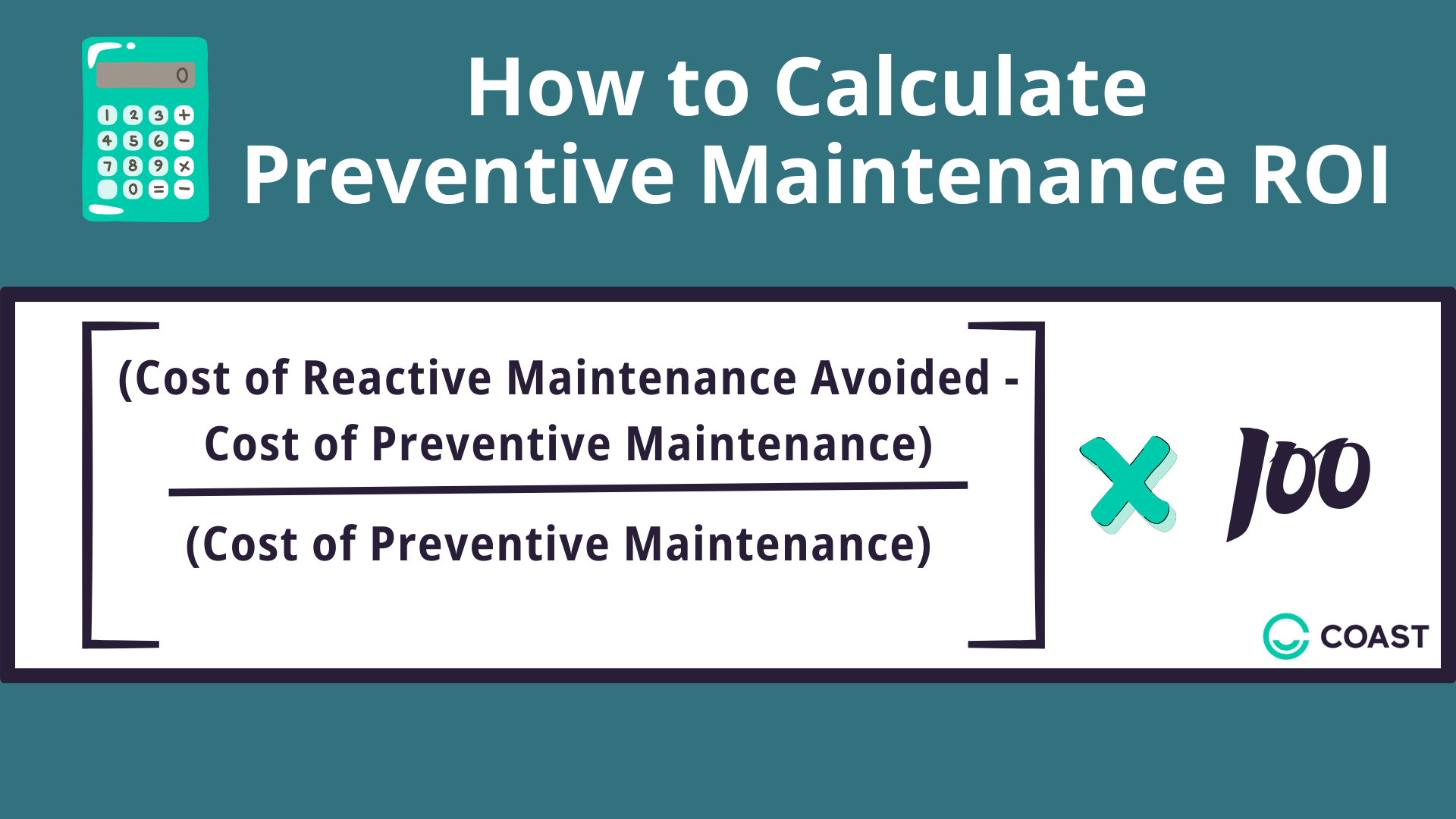
Here's the comparison that makes prevention click:
Break down what a single visible pest incident actually costs beyond the treatment itself and stack that against a year of routine monitoring.
If a business calls for an emergency service that costs a few hundred dollars, but that issue also forces staff to pause operations for an hour or two, discard potentially affected inventory, or schedule a follow up inspection, the total impact easily moves into the thousands once lost productivity and product waste are included.
Multiply that by two or three incidents over a year. The total often exceeds what a preventive plan would have cost to monitor risk areas and address breeding conditions before pests became noticeable.
This turns prevention from an abstract expense into a direct comparison between predictable monthly costs and the much higher combined impact of emergency response, downtime, and potential compliance concerns.
Once you see that avoiding even one major incident can offset months of preventive care, the return on investment becomes much easier to understand.
The estimated cost of IPM ranges from $7 to $14 per unit per month, which is comparable to or even lower than traditional methods over the long haul.
How to Make the Switch Without Breaking the Bank
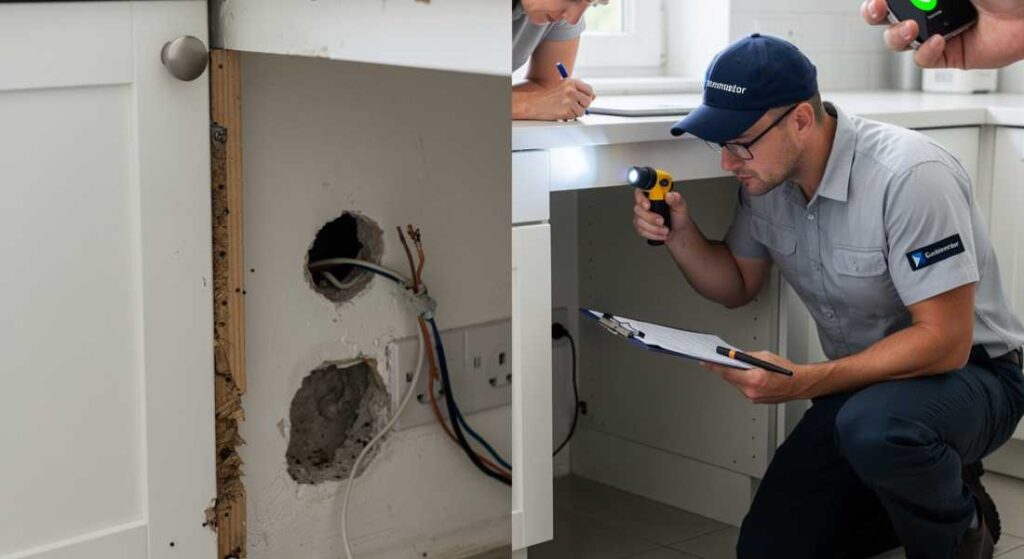
The transition from reactive service to preventive IPM doesn't have to involve major upfront expense or disrupt daily operations.
Start with small operational changes that fit into existing routines.
Step one: A walkthrough that identifies risk areas like waste storage, drains, entry points, or moisture prone zones. This focuses effort where it matters most instead of applying blanket treatments across the entire facility.
Step two: Simple adjustments like improving waste removal frequency, sealing small gaps around doors or utility lines, and keeping organic buildup from accumulating in overlooked areas. These begin reducing breeding opportunities without requiring downtime.
Step three: Place monitoring tools in low traffic locations so activity can be tracked without interfering with staff or customers.
As service visits become more routine, treatments get targeted to specific problem areas rather than applied broadly. This keeps both costs and disruption low.
Over time, these incremental steps allow you to shift toward prevention gradually, maintaining normal operations while addressing the conditions that allow pest populations to grow in the first place.
Why These Changes Actually Stick This Time

Most businesses have been told to seal gaps, improve waste removal, and reduce moisture before. But those changes never stick.
Here's what's different about how IPM structures those changes:
They stop being treated as one time housekeeping tasks and instead become tied to ongoing monitoring and accountability that shows whether they're working.
Rather than handing staff a checklist and hoping it gets followed, IPM builds those actions into a routine process where conditions are reviewed regularly and small changes are made based on what the monitoring data reveals.
If trap activity increases near a waste area, that signals that removal frequency or container maintenance may need adjustment. This turns sanitation into a measurable performance factor rather than a general recommendation.
Staff stay more engaged when they see how specific actions like improving drainage or closing entry points reduce pest activity over time.
By linking each preventive step to observable results and revisiting those areas during scheduled service visits, the process becomes part of normal facility management instead of an isolated task that fades from attention once the immediate concern passes.
The Competitive Advantage Beyond Cost Savings

In a business environment where customer perception is shaped quickly by online reviews and public health ratings, having an IPM system in place shifts pest management from being a behind the scenes necessity to part of a broader commitment to cleanliness and operational standards.
When preventive practices are documented and consistently maintained, it becomes easier to demonstrate that you take sanitation and facility management seriously. This supports better inspection outcomes and reinforces trust with customers who are increasingly attentive to safety and hygiene.
Some businesses choose to highlight their proactive approach through internal policies or by sharing that they follow structured pest prevention practices as part of their quality assurance efforts.
This kind of transparency reassures clients that risks are being managed before they become visible issues.
Over time, maintaining a clean and well monitored environment contributes to more positive customer experiences, which strengthens reputation and differentiates you from competitors that rely on addressing problems only after they appear.
The global pest control market is projected to rise from $26.9 billion in 2024 to $44.3 billion by 2035, driven partly by a global shift toward eco-friendly pest management solutions. Customers notice when you're ahead of that curve.
Measuring Success After Six Months to a Year

After running an IPM program for six months to a year, track these three concrete metrics to prove the investment is delivering financial return:
1. Frequency of pest related service calls compared to the previous year
A drop in emergency treatments or repeat visits is a direct indicator that preventive measures are reducing risk before it escalates.
2. Operational downtime tied to pest issues
Time spent on additional cleaning, product disposal, or paused service during inspections. Fewer interruptions translate into measurable labor savings and more consistent daily output.
3. Inventory or material loss due to contamination concerns
This may decrease as pest activity is brought under control.
By comparing these figures year over year, you begin to see how preventive management affects both direct expenses and the indirect costs that impact productivity and profitability.
What We Wish Every Business Owner Knew

The one thing we wish every small business owner understood before making their first panicked call to a pest control company is this:
The cost of prevention is always less than the cost of reaction.
But you won't believe it until you've experienced both.
We help businesses escape the maze of reactive spending and enter a system where pest management becomes predictable, affordable, and effective. Just like our REVREV Matrix helps entrepreneurs build businesses part by part instead of wandering through the chaos of trial and error, IPM helps you build pest prevention into your operations systematically.
You get a voice you can trust in pest management expertise, a system you can follow with clear monitoring and prevention steps, and support you can count on when conditions change.
The choice is yours. Keep paying emergency prices for problems that could have been prevented, or invest in a system that protects your business, your reputation, and your bottom line.
Prevention isn't about paying for something you can't see. It's about protecting everything you've built.
