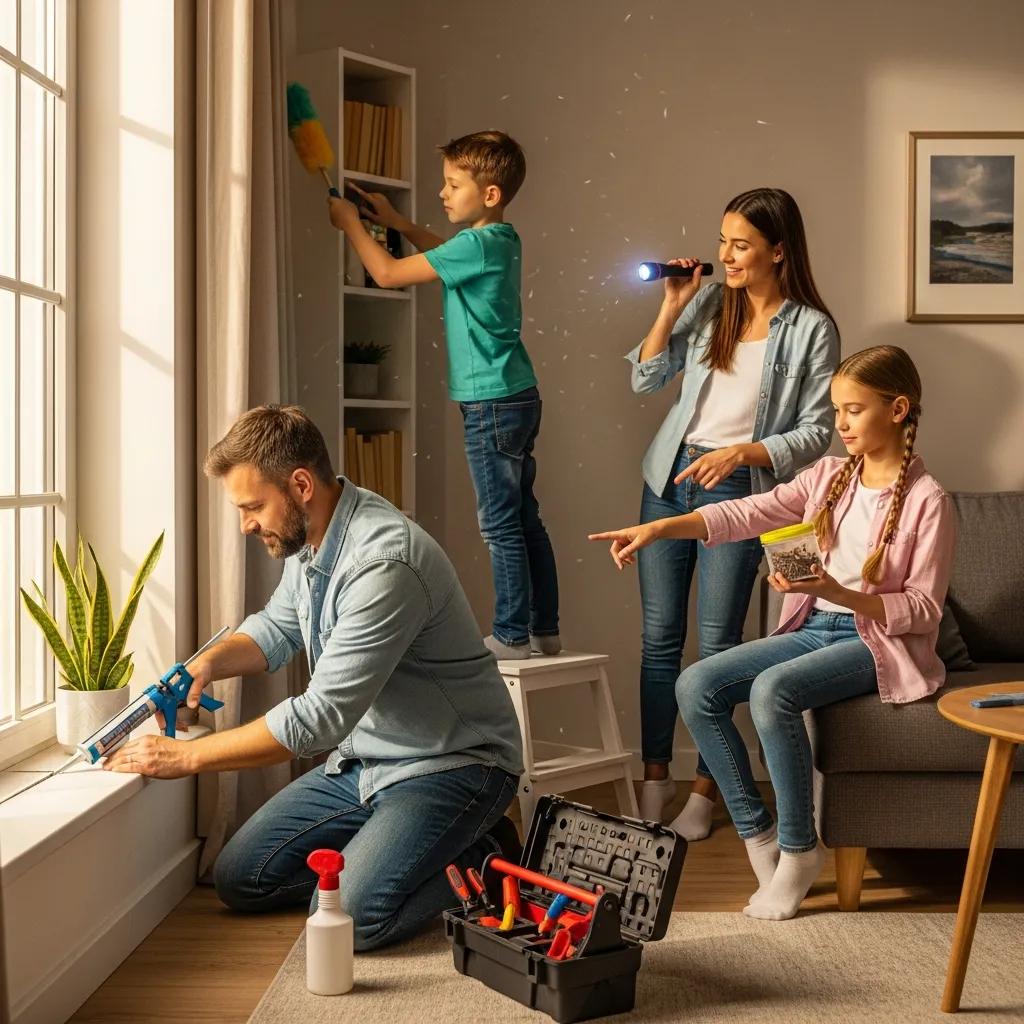
Master Your Space: Essential Home Pest Defense Tips
Master Your Space: Essential Home Pest Defense Tips

Developing a robust home pest defense plan is vital for ensuring a safe, comfortable, and healthy living space. As household pests become increasingly common, mastering the art of identifying and managing these unwelcome guests is more important than ever. This comprehensive guide offers expert advice on pest recognition, prevention, and control techniques, empowering you to keep your home pest-free throughout the year. Discover the most prevalent household pests, proven prevention tactics, and the most effective pest control solutions tailored to your needs. By adopting these expert strategies, you can safeguard your home from infestations and the health hazards pests may bring.
Identifying the Most Common Household Pests and How to Spot Them
Household pests come in many forms, but the most frequent offenders include rodents, ants, termites, cockroaches, and spiders. Early detection is critical for successful pest management and prevention. Each pest leaves distinct signs that alert homeowners to their presence, enabling prompt and targeted action.
Key Indicators of Rodents, Ants, Termites, Cockroaches, and Spiders

Recognizing pest signs is the foundation of effective pest control. Watch for these telltale clues:
Rodents: Presence of droppings, gnaw marks on furniture or wiring, and nesting materials. Scratching sounds inside walls or ceilings are also common.
Ants: Visible ant trails, small dirt or debris piles near entry points, and sudden gatherings around food sources.
Termites: Mud tubes along walls, hollow or damaged wood, and discarded wings near windows or doors.
Cockroaches: Droppings resembling coffee grounds, egg cases, and a distinctive musty odor.
Spiders: Webs in corners, around windows, or in undisturbed areas, often accompanied by the presence of their prey insects.
The Importance of Precise Pest Identification for Optimal Home Protection
Accurate pest identification is essential to apply the most effective control measures. Misidentification can lead to ineffective treatments, wasted resources, and prolonged infestations. Certain pests, such as termites, can cause severe structural damage if not addressed swiftly. Moreover, some pests carry diseases that pose health risks to your family and pets. By correctly identifying the pest, you can implement targeted strategies that maximize control success and minimize risks.
Year-Round Pest Prevention Tips to Keep Your Home Secure
Preventing pest invasions requires consistent and proactive home maintenance. Implementing these expert-recommended practices can dramatically reduce the chances of pests entering your living space.
Effective Home Maintenance Practices to Minimize Pest Infestations
Seal All Entry Points: Thoroughly inspect your home for cracks, gaps, and holes around windows, doors, and foundations. Use high-quality sealants to close these openings and block pest access.
Manage Waste Properly: Store trash in tightly sealed containers and dispose of it regularly. Clean up food spills and crumbs immediately to eliminate attractants.
Maintain Landscaping: Keep shrubs, trees, and plants trimmed and away from your home's exterior walls. This reduces pest hiding spots and discourages them from approaching your home.
Seasonal Pest Defense Strategies for Enhanced Protection
Winter: Ensure your home is well-insulated and seal any gaps that rodents could exploit. Store firewood away from the house to avoid attracting pests.
Spring: Conduct a detailed inspection for signs of pests emerging after winter, including termite activity. Address any issues promptly.
Summer: Keep windows and doors closed or fitted with screens to block insects. Regularly eliminate standing water to prevent mosquito breeding.
Fall: Prepare your home for colder months by sealing gaps and reinforcing pest-proofing measures before winter arrives.
Choosing the Best Pest Control Methods: Natural Solutions vs. Chemical Treatments

Homeowners often face the decision between natural and chemical pest control options. Understanding the strengths and limitations of each approach helps you select the best solution for your situation.
How Natural Pest Repellents Work and When to Use Them
Natural repellents, including essential oils like peppermint and substances such as diatomaceous earth, create environments that pests find inhospitable. Peppermint oil effectively deters ants and spiders, while diatomaceous earth damages insect exoskeletons, leading to their demise. These options are generally safer for children and pets, making them ideal for households seeking eco-friendly solutions. However, natural repellents may require more frequent application and might not fully resolve severe infestations.
Scientific research supports the effectiveness of natural substances like diatomaceous earth in pest control.
Diatomaceous Earth & Boric Acid for Home Pest Control Products such as organic boric acid and diatomaceous earth have demonstrated efficacy in controlling home and garden pests. While some chemical alternatives showed reduced effectiveness, diatomaceous earth remains a reliable natural option. Diatomaceous earth for pest control, 1992
Advantages and Considerations of Chemical Pest Control Treatments
Chemical treatments offer powerful and rapid solutions for managing heavy pest infestations. They can be precisely targeted to specific pests and often deliver immediate results. However, they carry potential health risks for humans and pets and may impact the environment if not used responsibly. It is crucial to follow all label instructions and safety guidelines. Integrating chemical treatments with natural methods through Integrated Pest Management (IPM) can optimize results while minimizing negative effects.
Research highlights common indoor pesticide application patterns for household pests.
Indoor Pesticide Use for Common Household Pests Indoor pesticide use is more frequent than outdoor application and varies seasonally. It primarily targets ants and cockroaches, with rodents as a secondary focus. Kitchens are the main treatment areas, especially floors, lower walls, and dish cupboards. Seasonal pesticide use in a rural community on the US/Mexico border, SL Shalat, 2004
Enhancing Home Pest Defense with Integrated Pest Management (IPM)
Integrated Pest Management (IPM) is a comprehensive, sustainable approach that combines multiple strategies to controlpests effectively while minimizing risks to people and the environment. IPM emphasizes prevention, monitoring, and targeted control measures.
Understanding IPM and Its Role in Sustainable Pest Control
IPM involves studying pest life cycles and behaviors to design tailored control plans. It integrates cultural, biological, and chemical methods, prioritizing prevention and ongoing monitoring to reduce reliance on chemical treatments. This balanced approach promotes long-term pest management success and environmental stewardship.
Public awareness and acceptance are key to the successful adoption of IPM strategies.
Integrated Pest Management for Household Insects Effective pest management may involve professional services or sustainable IPM solutions. Public perception, attitudes, and knowledge significantly influence the implementation of IPM for household insect pests. Influence of the public's perception, attitudes, and knowledge on the implementation of integrated pest management for household insect pests, BG Meerburg, 2019
Combining Multiple Control Methods for Maximum Effectiveness
Homeowners can enhance pest control outcomes by integrating various methods. Start by accurately identifying the pest and understanding its habits. Seal entry points and maintain cleanliness to prevent infestations. Use traps or natural repellents to manage existing pests. Regularly monitor pest activity and adjust your approach accordingly to maintain a pest-free home.
DIY PestInspection and Monitoring: A Homeowner’s Guide
Regular self-inspections are essential for early pest detection and control. Simple tools and techniques enable homeowners to monitor their homes effectively.
Step-by-Step Home Inspection Checklist for Pest Detection
Exterior Inspection: Examine foundations, windows, and doors for cracks or gaps. Look for droppings, nests, or other pest signs.
Interior Inspection: Check kitchens, bathrooms, and basements for moisture and pest indicators such as droppings, nests, or damage to wood and insulation.
Documentation: Record any pest signs and their locations to identify patterns and inform your control strategy.
Tools and Techniques for Regular Pest Monitoring
Sticky Traps: Place in suspected pest areas to capture insects and identify pest types.
Pheromone Traps: Use to attract and monitor specific pest populations effectively.
Visual Inspections: Conduct frequent checks for droppings, damage, or other pest evidence and respond promptly.
When to Seek Professional Pest Control Services
While many pest issues can be managed with DIY methods, certain situations require expert intervention to protect your home and health.
Indicators That Professional Pest Control Is Needed
Severe Infestations: Large or rapidly growing pest populations that are difficult to control on your own.
Health Concerns: Pests that pose significant health risks, such as rodents or cockroaches, especially if family members have allergies or sensitivities.
Structural Damage: Evidence of damage caused by pests like termites that threaten your home’s integrity.
Choosing a Trusted Pest Control Provider
When selecting a professional service, consider these factors:
Experience and Reputation: Opt for companies with proven success and positive customer feedback.
Control Methods: Ensure their techniques align with your preferences for safety and environmental responsibility.
Licensing and Insurance: Verify that the provider is properly licensed and insured for your protection.
By mastering the identification of common household pests and applying effective prevention and control strategies, you can maintain a healthy, pest-free home. Whether you choose to manage pests yourself or enlist professional help, proactive and informed action is the key to lasting success.
