High-Traffic Reliability: Engineering Environmental Barriers for 24/7 Facilities
High-Traffic Reliability: Engineering Environmental Barriers for 24/7 Facilities

We watched an $80,000 disaster unfold in a single afternoon.
A high-speed loading dock door malfunctioned at a food processing facility during a record-breaking heatwave. Instead of fixing the $1,200 motor repair immediately, a manager propped the door open with a pallet to keep the shift moving.
Within hours, flies flooded the intake area and reached the primary mixing vats. Quality control spotted activity inside a batch of organic base. The facility disposed of $45,000 worth of raw product, sent 40 workers home with partial pay, and paid a $5,000 emergency pest contractor who required a 12-hour vent period that killed the next day's shift.
This is the "chaos tax" of 24/7 facilities—the compounding cost of equipment failure that cascades through operations like dominoes.
The math is brutal: industrial downtime costs range from $10,000 to $500,000 per hour, and each hour of unplanned downtime costs at least 50% more today than in 2019.
The Invisible Engineering Failure
That propped-open door wasn't a pest problem. It was an engineering failure.
The facility relied entirely on a monthly chemical spray schedule—a 30-day-old residue protecting a gaping 10-foot hole in their environmental barrier. They had no passive defense system. No UV air curtains. No geometric traps. No high-speed door automation.
They chose the visible "hustle" of the spray technician over the invisible reliability of a closed door and properly engineered barriers.
This is the core mistake: treating environmental protection as a recurring service instead of a permanent structural asset.
Defense in Depth: The Engineering Philosophy That Prevents Chaos

A proper defense-in-depth system treats your facility like a series of concentric circles. The goal isn't to kill pests in the kitchen. The goal is to make it physically impossible for them to reach the parking lot.
Here's what this looks like in a 24/7 operation:
Layer 1: Passive Perimeter
Non-attractant LED lighting (<3000K warm-spectrum) pushes pests away from the building before they approach. You're using light wavelengths that nocturnal pests find invisible or unattractive.
Layer 2: Mechanical Exclusion
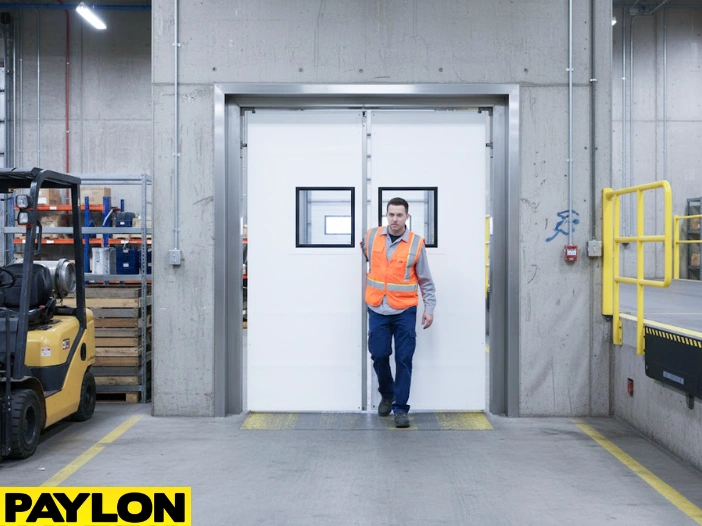
High-speed doors and air curtains trigger the moment a seal breaks. Industrial high-speed doors open at 8 feet per second, creating energy-efficient barriers that maintain temperature and pressure differentials.
Layer 3: Silent Sensors
Strategically placed UV structural traps catch the 1% of pests that slip through human error. These aren't reactive measures. They're deterministic fail-safes positioned to intercept flight paths before problems reach production floors.
Most operations skip these layers because the initial capital expense is visible while the chaos tax stays invisible until the bill arrives.
It's easier to approve a $200 monthly spray service than justify a $15,000 infrastructure upgrade for high-speed doors and LED retrofitting—even when that upgrade pays for itself in eighteen months through reduced energy loss and zero product recalls.
Baking Expertise Into the Frame
We need to talk about the fundamental shift from Dynamic Maintenance to Passive Resilience.
In systems that rely on scheduled interventions, the intelligence is external and temporary. It arrives in a truck, stays for an hour, and begins degrading immediately. If the technician is sick, the chemical batch is weak, or weather changes, the system fails.
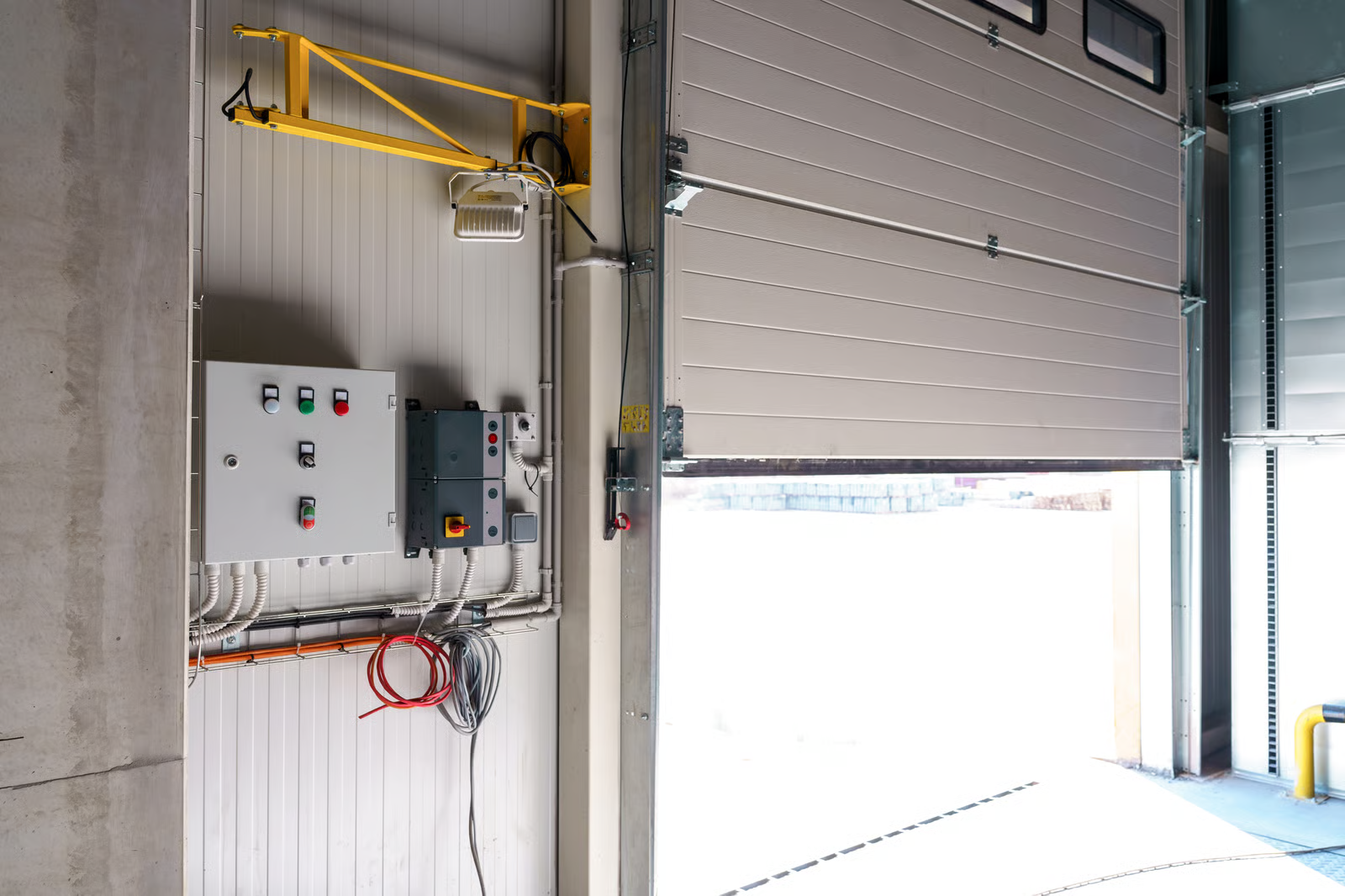
When you bake expertise into the frame, you move the solution from Operational Expense to Capital Asset. You use hard-coded physics to solve biological problems.
The Three Pillars of Structural Intelligence
1. Deterministic vs. Stochastic Outcomes
A chemical spray is stochastic. Its success depends on chance encounters between pests and toxins before the toxin breaks down. You're gambling on a meeting.
A structural trap is deterministic. If a fly enters the UV field, it moves toward the source. You dictate the destination.
2. The No-Power Failure State
High-level engineering asks: What happens when the human isn't there?
A chemical system's failure state is total loss of protection. A structurally intelligent building's failure state is still a physical barrier. A well-designed vestibule doesn't "run out" of geometry.
3. Biological Constant vs. Chemical Variable
Pests are evolutionary hackers. They rewrite their internal code to ignore pesticides.
They cannot rewrite the laws of phototaxis (attraction to light) or anemotaxis (navigation through wind). When you build traps that exploit these constants, you use a key the pest can never change the lock on.
By making the structure intelligent, you eliminate the information gap between problem and solution. The building becomes a 24/7 filter that doesn't need to be told there's a problem. It's designed so the problem is physically incapable of existing in the first place.
The Decision Matrix: Matching Barriers to 24/7 Demands

When you specify environmental barriers, you shift from "What kills pests?" to "What forces dictate the flow of energy and biology in this specific space?"
You're looking at the Delta—the difference between the controlled interior environment and the chaotic exterior.
The matrix is built on three stress tests:
Stress Test 1: Kinetic Pressure (Flow of Goods)
This measures how often your perimeter is breached by human or vehicular traffic.
High Frequency (Loading Docks): A door is a failure point because it's always open. Specify an air curtain that uses laminar airflow to create a pressure wall. A fly's 4.5 mph flight speed physically cannot penetrate this barrier.
Low Frequency (Fire Exits): Specify passive geometric seals. If the door stays shut, the intelligence is in the brush strips and magnetic gaskets that eliminate the light gap.
Stress Test 2: Phototactic Gradient (Light Management)
This maps how light pulls biology toward or away from your facility.
Exterior: Specify sodium vapor or warm-spectrum LED for parking lots. These wavelengths push the biological load away from the building.
Transition Zones: Specify high-output UV LED traps placed perpendicular to entries. You intercept the pest's flight path before it reaches production floors.
Stress Test 3: Atmospheric Stability (Air Pressure)
This is the most overlooked part of the matrix.
If a building "sucks" air in when a door opens, it acts as a vacuum for pests. Negative air pressure can cause thousands of pests to unwillingly enter a single window each day.
The solution: Specify HVAC balancing to maintain slight positive pressure. When a door opens, air should push out, physically repelling lightweight insects.
Facilities that installed make-up air systems to address negative pressure saw a 95% decline in flying insect activity immediately.
The Systemic Breakdown: When Departments Work Against Each Other
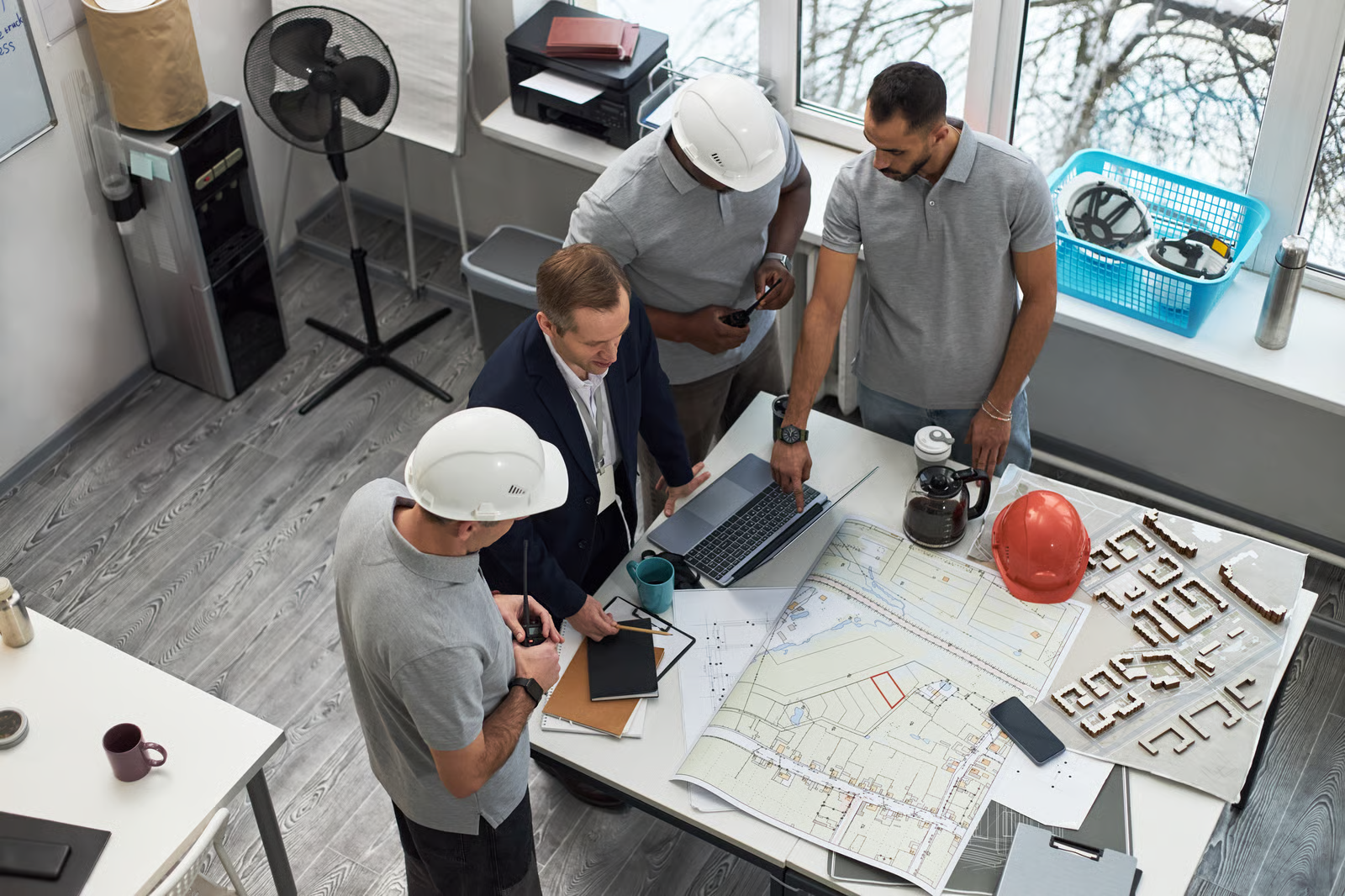
Here's where most 24/7 facilities fail: Modern facilities are managed by siloed KPIs that treat energy efficiency and pest control as unrelated expenses.
This creates "mechanical sabotage."
An HVAC manager cuts costs by reducing make-up air. This creates a negative pressure vacuum that sucks pests directly into the building. Because air pressure is invisible and falls under a different budget than sanitation or pest services, the facility pays a recurring chaos tax in chemical treatments to fight a biological problem that's actually an engineering failure.
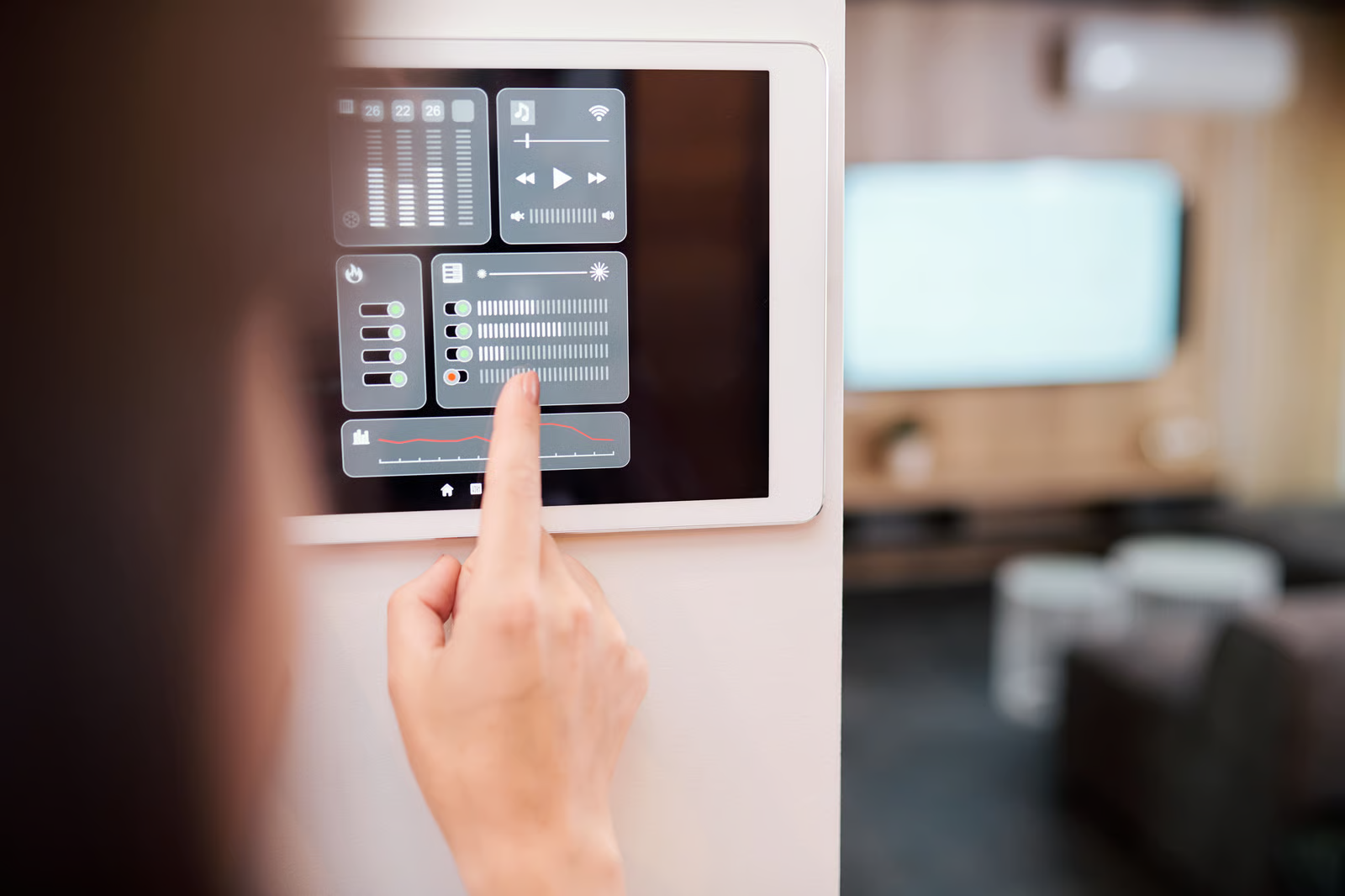
The Building Automation System never gets calibrated as a defensive tool. The facility relies on the hustle of a spray technician rather than the deterministic reliability of a balanced, positive-pressure environment.
Restructuring Decision-Making: The Unified Governance Model
We implemented this exact model at a 300,000-square-foot dairy processing plant hemorrhaging money on emergency fogging every time humidity spiked.
We merged the Sanitation, HVAC, and Pest Control budgets into a single "Facility Integrity Fund."
The moment the HVAC manager realized that a $2,000 emergency chemical spray would be deducted from his quarterly maintenance bonus because he lowered make-up air to save electricity, the mechanical sabotage stopped overnight.
The shift was immediate.
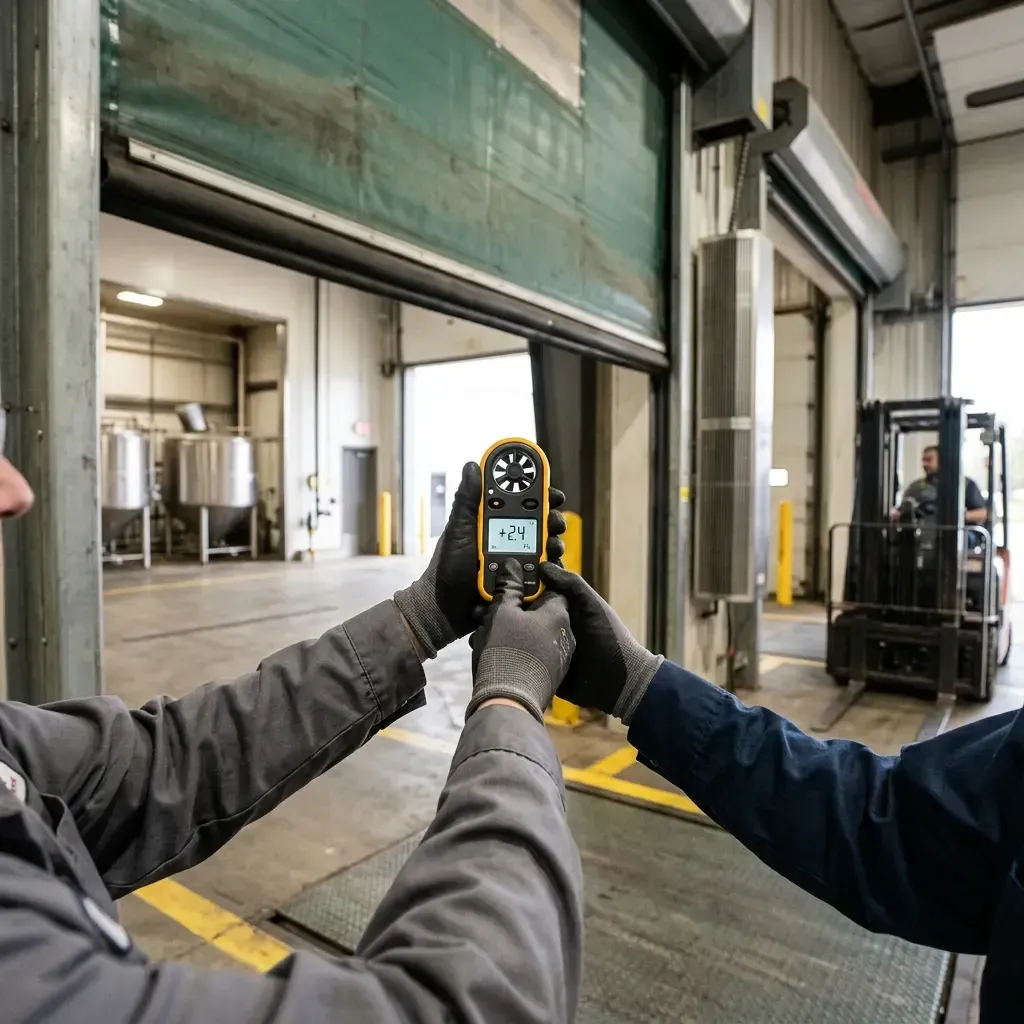
The HVAC team stopped viewing air pressure as a thermal luxury and started treating it as a kinetic shield. They began paging the Pest lead to walk loading docks with a handheld anemometer whenever they calibrated roof stacks.
For the first time, the "pest guy" wasn't a contractor lurking in shadows with a sprayer. He became the Lead Auditor of the building's envelope.
The Three Steps to Integrated Governance
Step 1: The Unified Budget Tax
Combine Pest Control and HVAC Maintenance budgets into a single Facility Integrity fund. If the HVAC team fails to maintain pressure and pest count rises, the cost of emergency spray comes out of the HVAC repair budget.
This instantly ends the incentive to cut costs on make-up air.
Step 2: The Interlock Protocol
Require all Building Automation System updates to be signed off by the Quality Control lead. This ensures Power Save Mode doesn't accidentally shut down air curtains or reverse airflow during high-risk dusk hours when phototactic pests are most active.
Step 3: The Gap Audit
Shift from monthly chemical applications to quarterly Joint Structural Audits. The HVAC tech, Pest lead, and Operations manager walk the perimeter together once every 90 days to identify light gaps and seal failures.
You treat the building's shell as a single, engineered asset.
The Cultural ROI: From Survival to Growth

Within six months, the dairy processing plant saw a 65% reduction in interior pest sightings and total elimination of emergency production halts.
But the most profound change was the cultural ROI.
Floor managers stopped hustling to kill flies and started policing each other on structural discipline. If a worker propped a door open for a breeze, it wasn't just a sanitation issue. It was seen as a direct hit to the entire team's shared Integrity Bonus.
They stopped fighting nature and started defending the system they had built together.
The First Thing They Notice
The silence of the alarm cycles.
In a hustle culture, facilities operate in constant micro-emergency. An auditor is coming. A fly was seen in the clean room. The spray technician is late.
When you shift to defending the system, that frantic background noise evaporates.
The chaos tax wasn't just the $2,000 invoice. It was the cumulative stress of every manager and floor lead having to act as a part-time exterminator.
The most striking physical realization happens at the loading dock seals. Under the old regime, a torn seal was a maintenance ticket that could wait six months. Once the culture shifts, that same torn seal is viewed as a breach in the hull.
The owner sees a manager walk by, notice a sliver of daylight, and immediately call for a repair—not because they're afraid of a bug, but because they've realized that light gap is a $500-a-month leak in operational efficiency.
They notice their air is cleaner because the HVAC isn't sucking in unfiltered bypass air. Their floors are drier because positive pressure pushes out humidity. Their staff is more focused because they aren't swatting at distractions while trying to hit production targets.
They realize the old way was costing them Mental Capital—the ability to think about growth instead of survival.
The building finally stops being a battlefield and starts being a precision tool.
The Proactive Investment Framework
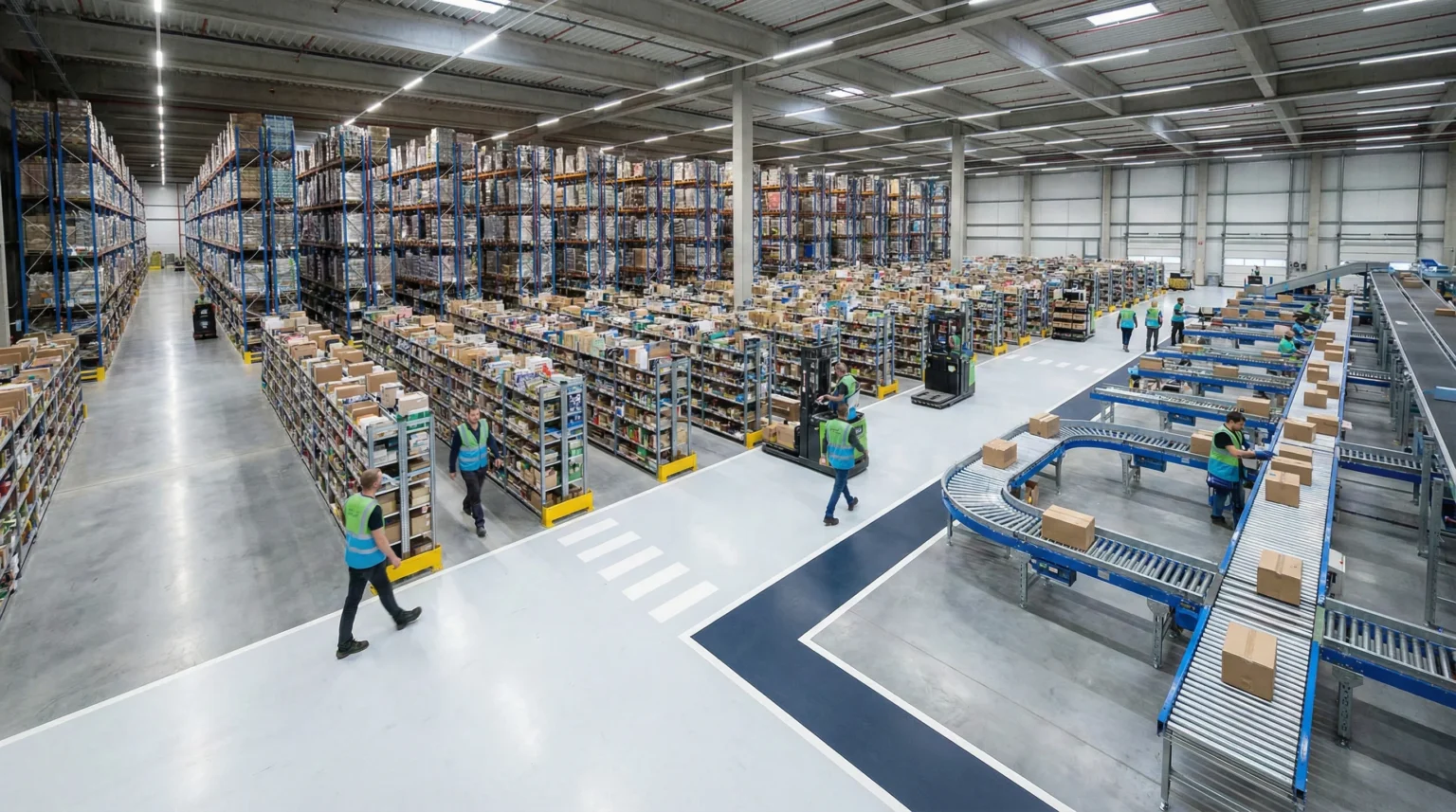
The financial case for baking expertise into the frame is overwhelming.
Reactive maintenance programs cost 25-30% more due to emergency labor, downtime, and rush-part premiums. Preventive maintenance programs cut operating expenses by 12-18% and can deliver up to 4× ROI through fewer failures, energy efficiency, and longer asset life.
Reactive maintenance costs 3-9× more than preventive approaches.
Well-implemented preventive maintenance programs deliver:
18-30% reduction in total maintenance costs
15-20% extension in equipment lifespan
Up to 50% reduction in unplanned downtime
40-60% fewer failures
50-75% improvement in Mean Time Between Failures
The shift from reactive firefighting to structural reliability creates measurable transformation.
The Fire Sprinkler Analogy
You don't buy a sprinkler system because you like the look of the pipes.
You buy it because the alternative—total loss of the facility—is a non-starter for any rational business owner.
When you bake expertise into the frame with LED exclusion and high-speed doors, you're buying insurance against the $80,000 cascade. When decision-makers realize that the boring silence of a perfectly functioning system is actually the sound of their profit margin being protected 24/7 without a single labor hour, the visibility of the spray technician starts to look like a red flag of a failing strategy.
The building becomes a 24/7 filter that doesn't need to be told there's a problem.
It's designed so the problem is physically incapable of existing in the first place.
Moving From High-Maintenance to High-Reliability
A chemical spray is a performance you buy every month.
A passive defense-in-depth system is a permanent structural upgrade that moves your facility from a high-maintenance category to a high-reliability one.
You frame the investment not as a way to stop bugs, but as a way to de-risk the entire P&L by removing the chaos tax that high-stakes facilities pay for relying on human-dependent systems.
The average manufacturer faces 800 hours of unplanned machine maintenance and downtime a year. That's about 15 hours per week paying people to sit and wait for machines to get up and running.
Fortune Global 500 companies lose 11% of their annual turnover to unscheduled downtime—nearly $1.5 trillion combined.
While downtime incidents decreased 40% and total hours dropped 31%, costs increased 62%. Each failure event has become dramatically more expensive.
This is the silent crisis: one in three businesses hasn't modernized their motor-driven systems in the last two years.
That's not a missed opportunity. That's choosing to pay the chaos tax.
The Path Forward
Environmental barriers aren't about preventing nuisances. They're about insuring assets.
When you shift from scheduled interventions to structural intelligence, you eliminate the information gap between problem and solution. You move from gambling on chance encounters to dictating deterministic outcomes.
You stop fighting nature and start defending the system.
The building stops being a battlefield and starts being a precision tool.
And the silence of perfectly functioning environmental barriers becomes the sound of your profit margin being protected 24/7—without a single emergency call, without a single production halt, without a single dollar of chaos tax.
That's not boring. That's brilliant engineering.
